







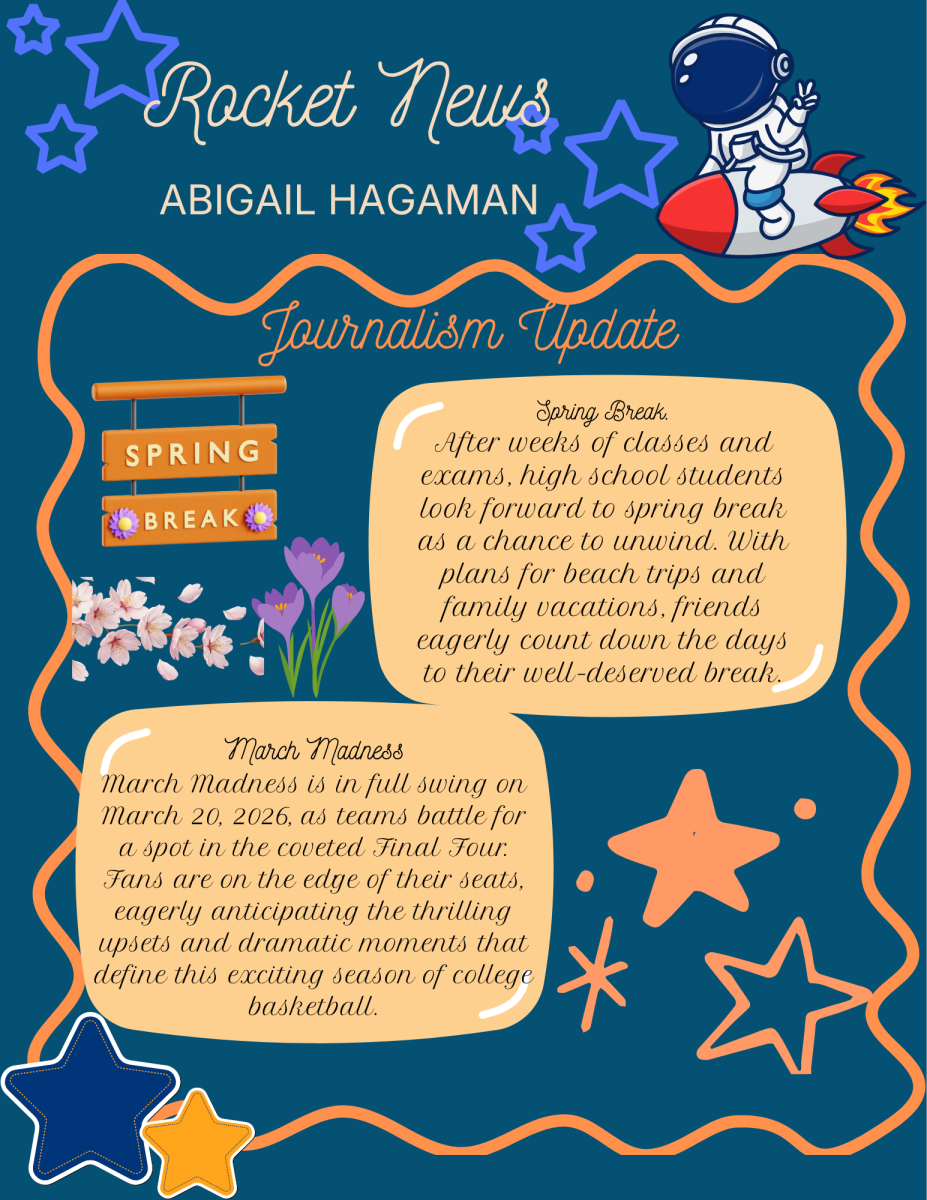



Competitive cheerleading is often debated, with many questioning whether it qualifies as a sport. Unlike traditional sideline cheer, competitive cheerleading is a physically demanding activity that requires strength, agility, and precision. Cheerleaders execute complex routines, including tumbling, stunting, and dance, all synchronized to music. Given these aspects, it’s clear that competitive cheerleading meets the criteria of a sport. Rochester senior, Maya Sadler, says that “cheerleading could never not be a sport”, something many do not agree with. In the future, many would love to see a stronger competition team within the Rochester cheerleading atmosphere. Competitive cheerleading demands a high level of physical fitness. Athletes train rigorously to develop the necessary strength for stunts, which involve lifting and supporting teammates in the air. Tumbling passes require power and coordination, while the dance segments necessitate endurance and flexibility. These physical demands are comparable to those in gymnastics or acrobatics, both recognized sports. Furthermore, the skill required to execute these elements flawlessly is significant, with cheerleaders spending countless hours perfecting their technique. Competitive cheerleading involves structured competitions with objective scoring criteria. Teams are judged on various factors, including the difficulty and execution of their stunts, tumbling, and dance elements. Deductions are given for errors, such as falls or improper technique, making precision crucial. The competitive nature of cheerleading is evident in the intense preparation and the pressure to perform perfectly under scrutiny. This mirrors the competitive environment found in other sports, where athletes strive to outperform their rivals based on a defined set of rules. Teamwork is at the heart of competitive cheerleading. Each member of the team must work in perfect synchronization to execute the routine safely and effectively. Stunts require trust and coordination, while the overall performance depends on seamless transitions and unified movements. The strategic element involves designing routines that maximize the team’s strengths while minimizing weaknesses. Coaches and cheerleaders collaborate to create routines that are both challenging and achievable, showcasing their athletes’ skills in the best possible light. This level of teamwork and strategy is akin to that found in team sports like basketball or volleyball. In conclusion, competitive cheerleading is undoubtedly a sport. It involves intense physical exertion, requires a high degree of skill, includes structured competition with objective scoring, and demands exceptional teamwork and strategy. Cheerleaders train rigorously to execute complex routines, pushing their bodies and minds to the limit. By recognizing competitive cheerleading as a sport, we acknowledge the dedication, athleticism, and competitive spirit of these remarkable athletes.
Categories:
Why Competitive Cheer is a Sport
February 24, 2026
More to Discover

About the Contributor
Ellie Keirs, Author
Senior 2026
Extracurriculars: NHS, Spanish NHS, Debate Club, Spanish Club, Big Buddy, JFL Cheer Coach, Competitive Cheer
Years of Journalism: 1
Favorite Color: Pink
Favorite Quote: “You only live twice” – Rick Ross