










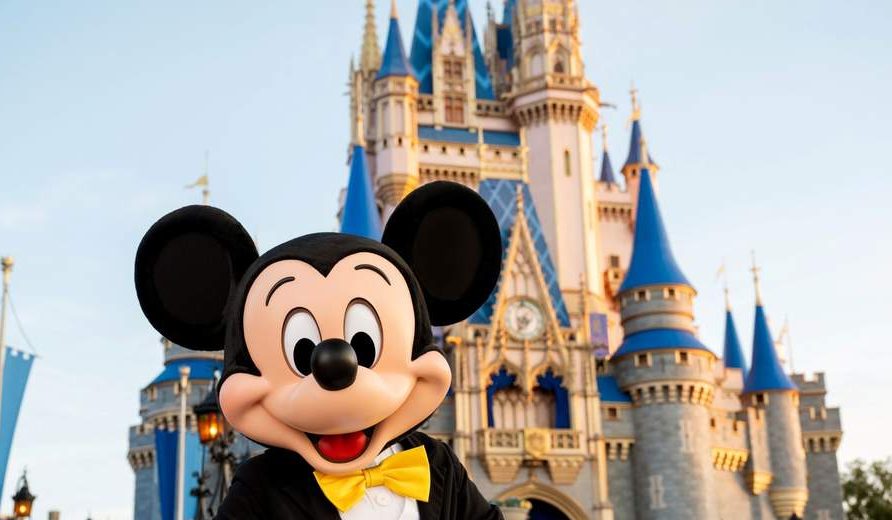

When you scroll through social media, it is obvious that Gen Z loves the past. From Y2K fashion to 1980s music and vintage aesthetics, our generation keeps reaching backward, sometimes to decades we did not even live through. This obsession with nostalgia is not random. It is emotional, cultural, and personal. In a world where trends last a week and news changes by the hour, older eras feel steady. They feel complete. They feel like they had a clear identity, something that can be hard to find in today’s constantly shifting culture.
For some, nostalgia is about continuity. Macy Culbertson explained, “I like the idea that traditions are carried in and social norms continue to play a role in everyday life.” Even when Gen Z embraces trends from the 1980s or early 2000s, it creates a sense of connection. It is less about pretending we lived through those eras and more about keeping pieces of them alive in a modern way. Wearing vintage styles or listening to older music can feel like participating in something bigger than just the present moment. It connects generations and shows how culture builds on itself instead of starting over every few years.
For others, nostalgia is tied to memory. Porter Rowley said, “I like nostalgic music from before my brother went to college. It reminds me of some of my favorite times with him and fun things we did.” Music has a way of linking certain songs to specific seasons of life. Whether it is 2000s pop or 1980s rock, older music can feel meaningful because of the memories attached to it. Even songs from decades before we were born can carry emotion if they remind us of family members, movies, or shared experiences. Nostalgia, in this way, becomes personal instead of just trendy.
Nostalgia also helps people reflect on growth. Harrison Kolba shared, “It allows us to relive happy experiences, reconnecting with past versions of ourselves and the people we shared those moments with. It’s about appreciating how far we’ve come and the lessons we’ve learned along the way.” Looking back can highlight progress. It reminds us that even though life changes quickly, we are constantly learning and evolving.
In a generation raised on fast trends and disappearing posts, the past feels solid. Whether it is the 1980s, early 2000s, or just a few years ago, nostalgia gives Gen Z something stable to hold onto while everything else moves forward.