
It’s only early 2026, but one trend is already dominating the feeds across TikTok, Instagram, and even mainstream news: a wave of nostalgia sweeping the internet where users are embracing everything 2016 again. Videos, photos, filters, throwback music and fashion, it’s all part of a growing cultural moment being shared by millions.
At the heart of this trend is the phrase “2026 is the new 2016,” a playful way of saying that people feel drawn back to the sights and sounds of a decade ago. Platforms like TikTok have seen dramatic spikes in posts tagged with “#2016,” and searches for things like “2016 makeup” and “2016 songs” have shot up in the first weeks of the year.
But what exactly is happening, and why now??
For many people, 2016 represents something emotionally simpler or more carefree. That year saw viral crazes like the Mannequin Challenge and Pokémon Go, and early music hits like Zara Larsson’s Lush Life and Rae Sremmurd’s Black Beatles, songs now being reused in new videos to evoke that era.
“Honestly, I was really young in 2016, but seeing the filters and music brings back those cool vibes. It feels like a throwback to my early childhood, like a happy memory I didn’t even know I missed,” says Rochester sophomore Sammie Orf, “People are calling it ‘digital nostalgia,’ and I think that’s right. It’s comforting to see others sharing photos. Not just scrolling for new noise.”
“This isn’t just about filters or photos,” explains cultural journalist Leah Faye Cooper at Good Morning America. “People are really longing for a time that felt simpler, a time that felt really optimistic.”
That feeling matters. Social media moves so fast that trends from even a few years back can feel like another lifetime, but 2016 is far enough in the past that viewers get both instant nostalgia and recognizable cultural markers.
According to data reported in Forbes, hashtags like #2017 have surged by more than 450% in recent weeks, and TikTok reports millions of new videos using that tag already.
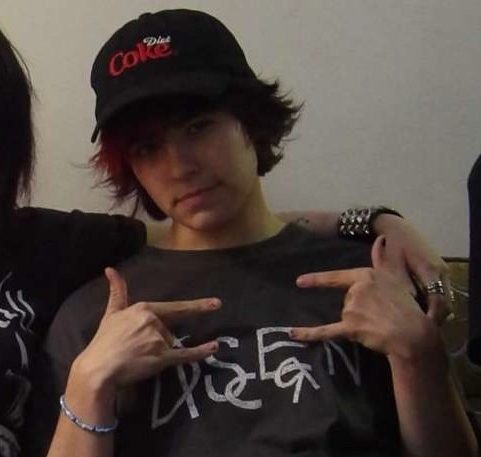
Across platforms, the content varies, but some themes have emerged, which include Throwback songs from the mid-2010s making a comeback, old Instagram and Snapchat filters, especially the puppy dog ears or flowercrown, 2016-era fashion like chokers, skinny jeans, and fuzzy phone charms, and Memes recalling the digital culture of the time. One TikTok creator, who goes by @taybrafang, posted a montage of popular moments from 2016 that helped spark the trend, and in doing so, made many users feel connected to the cultural collective memory.
Kathryn Rose, a student at IC, says, “I remember when Musical.ly was still a thing, so this trend is kind of full circle for me. Everyone’s remaking old content or reacting to throwbacks, and something about that energy feels like a break from how intense social media is now.”
Experts suggest the trend isn’t just random; it reflects how people use nostalgia as a way to cope with uncertainty. In a world with complex global issues, returning to a look back at a decade-old year can feel grounding or even joyful.
There’s also an emotional aspect: 2016 was before many of the major social and political shifts that have defined the late 2010s and early 2020s. For many Gen Z and older millennials, it was the last moment before life got complicated, culturally and digitally.