












The Devastating Effects of Tornadoes
It’s a windy summer day, May 21st, 2013. You are enjoying your summer vacation on a cool walk around your neighborhood. Suddenly, you hear a loud siren, and the wind picks up rapidly. You run into your house and alert your family to retreat to the tornado shelter. Down underground, your scared family huddles around a radio, following the tornado chasers. The tornado travels closer and closer to the place you call home. The wind blows with vigor, loud and terrifying. You feel the ground shake and the walls of your house doubting their capabilities. Then, after the crashing and banging on the surface around your house, it goes silent.
What is a tornado?
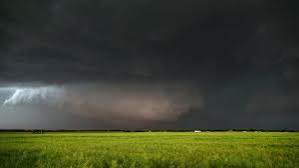
A tornado is a narrow, violently rotating column of air that extends from a thunderstorm to the ground. Wind is invisible, which makes it hard to see a tornado unless it forms a condensation funnel made up of water droplets, dust, and debris. Tornadoes can be among the most violent phenomena of all atmospheric storms we experience. Tornadoes take place in almost every part of the world but are most common in the US, Argentina, and Bangladesh. An average of 1,200 tornadoes hit the United States every year.
Tornado Alley
Tornado Alley yields the highest number of tornadoes in the country. It is located in the central United States, with Texas, Oklahoma, and Kansas being the prime states for tornado destruction. While Tornado Alley contains the most tornadoes, it is not yearlong. The U.S. tornado threat shifts from the Southeast in the cooler months of the year toward the southern and central Plains in May and June, and the northern Plains and Midwest during early summer. With these weather changes and trends, tornadoes can occur and have been reported in all fifty states.
El Reno
El Reno is the largest tornado ever recorded, occurring in Canadian County in Oklahoma on May 31, 2013, which reached a massive width of 2.6 miles. It is officially the widest tornado on record, producing wind speeds measured over 296 mph.
In an interview with a firsthand survivor, this brave woman shows her courage and was quick to respond after the siren went off. Down in their storm shelter, she says, “It’s hard to describe the feeling until you’ve been through it. The sound was crazy. A constant roar mixed with things hitting and breaking. Even though it didn’t hit our house directly, it was so powerful we felt the house shake.”
Another survivor, her son, was confused and scared, never experiencing a tornado come so close to his house. He said, “I was just scared. I didn’t know what was going to happen. I kept thinking about our house and if it would still be there.” After the tornado, both witnesses described a calm and peaceful silence.
Tornadoes are more than just wind and debris; they are dangerous, destroying everything in their path, tearing up homes, property, and even the environment. Such as the witnesses’ experience with the El Reno tornado, tornadoes don’t have to directly hit to have an effect. We cannot prevent tornadoes, but the effects can be reduced through staying aware, acting quickly, and respecting their power.