










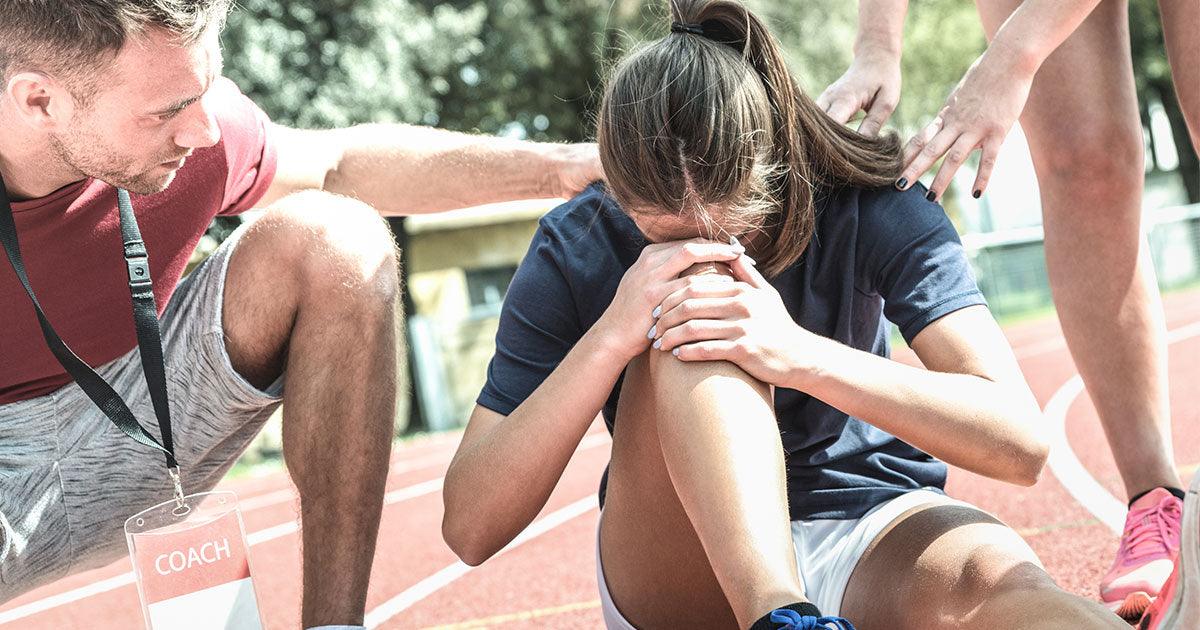
By many, injuries are viewed as physical setbacks for student athletes, but many fail to realize that mental and emotional effects are just as significant, if not worse. Plenty of students see sports as more than just an after-school activity; they see it as a big part of their lives. Many identify themselves through the sport, and they find purpose in their life. When an injury occurs, it can cause a variety of setbacks on and off the field.
When an injury happens, many students feel they lose their identity. For much of my life, many people knew me for playing soccer. It took a lot of effort and understanding to get people’s opinions to change. Many, however, embrace the titles they are given and live it. When an injury forces them to stop playing, they might have an identity crisis and question the things they love. When I experienced an injury to my knee, I had damaged my knee cartilage and struggled to recover. I couldn’t accept the injury and refused to take time off, as soccer made me myself. The injury occured my freshman year, and has bothered me ever since. Refusal to treat the injury caused permanent knee damage, and made me eventually lose my love for soccer and change paths. My situation is similar to that of many others. Many come back from their injury but can’t quite reach the spot they were at before, and struggle to accept and overcome defeat. This can lead to a feeling of emptiness or low self-esteem for an extended period of time.
I interviewed Kai Bruce, a senior captain for the Rochester High School basketball team, who recently had a subluxating patella tendon. I asked him how his injury affected him mentally, and he told me that the boredom he experienced while hurt was the worst part of his injury. Basketball season is something he looked forward to all year, but a quarter of his season was taken out due to injury. He felt as if he had nothing to do while sitting at home, and all he could do was think about how his senior season was being wasted at home. The effects haven’t stopped him since then, as he has continued to work to get better.
Jack Stanton, a senior at Rochester High School, broke his collarbone twice during football season and missed over half the season. Jack told me that he tried his hardest to stay positive and encourage the team, but it was hard because he wanted to be playing. A study from https://pmc.ncbi.nlm.nih.gov/articles/PMC5504249/ states that there were increasing levels of depression scores after one month post-injury. This grew over the span of the year, where more significant side effects were experienced.
In conclusion, there is proof that significant mental effects can occur from just a simple injury. It can alter someone’s path, challenge their confidence, and affect their emotional stability. Injuries are a state of vulnerability and need attention. Even if it’s just your school sport for fun, the injury can affect the person. It’s more than just an injury; it can become a mental disease that needs serious attention