









My one true thing is my endurance, and in the sixteen years of my life, two moments would test the limits of just that: the day my mom left and the endless hours spent in court fighting my assault case. Each loss carved out a new ache, but each one compelled me to find a new way to keep moving forward. Because of that, I say my one true thing is endurance; the quiet, stubborn ability to keep going even when the people who were supposed to protect me walked away.
My mom left when I was three. I don’t remember her packing bags or saying goodbye. What I remember instead is absence, a space that became normal before I was old enough to question it. When I asked where she was, my dad told me she didn’t have enough love to give. As a child, I accepted that explanation without argument. I didn’t know I was allowed to doubt adults. I didn’t know I was allowed to ask if that lack of love had anything to do with me.
Growing up with that story quietly reshaped how I saw myself. I learned early that love could run out. That people could leave because they simply couldn’t give enough. Even if no one said it out loud, I absorbed the idea that I was something too heavy to hold onto. That kind of belief doesn’t scream; it settles in slowly, becoming part of how you exist in the world.
Years later, I learned the truth. I wasn’t abandoned because I was unlovable. I was conceived through sexual violence. My mom didn’t leave because she lacked love; she left because she was surviving trauma that never should have happened to her. Learning this didn’t magically erase the pain, but it shattered the lie I had been living with since I was three. The abandonment I felt wasn’t personal, but the damage it caused still was.
As a child, I endured without understanding that endurance was what I was doing. I adapted to emotional absence the way some people adapt to bad weather; you don’t fight it, you just dress for it. I learned how to be okay on my own, how not to ask for too much, how to stay quiet with questions that felt too dangerous. I developed strength too early, not because I wanted to, but because there was no other option.
At that moment, my mom’s leaving was the first time life taught me that I would have to rely on myself. I didn’t choose independence; it was handed to me before I knew what it cost. But surviving that loss shaped who I became. Understanding the truth now allows me to take my story back. My existence is not a mistake, not a burden, and not the result of a lack of love. It is proof of survival; hers, and eventually, mine.
For a long time, I thought my mom’s leaving was the climax of my story. I didn’t realize it was the beginning of a pattern; one shaped by silence, survival, and the way trauma forces impossible decisions. She endured by leaving. I endured by staying. In my early teen years, I survived the effects of sexual violence. Later, I would face it directly, and this time, the choice of how to endure would be mine.
There was something painfully full-circle about sitting in a courtroom, realizing I was now standing where my mom once stood in her own way; confronting sexual violence and trying to survive it. The difference was that I stayed. Where her endurance required distance, mine demanded presence. I carried not only my own fear, but the understanding of what it costs to be forced into silence.
Facing the legal system meant reopening wounds in public spaces that were never designed to feel safe. My experience was questioned, reduced to timelines and credibility, as if pain could be measured cleanly. I felt exposed, exhausted, and small; yet I kept showing up. Each appearance required me to relive what happened, to defend my truth, and to exist under scrutiny.
This endurance wasn’t the quiet kind I learned as a child. It wasn’t automatic or imposed. It was intentional. I chose to stay when leaving would have been easier. I chose to speak when silence would have protected me in the short term. In doing so, I realized that endurance doesn’t always look the same across generations, but it can still be connected.
What began with my mom surviving trauma in the only way she could came full circle with me confronting it head-on. This time, endurance wasn’t just about staying alive. It was about standing up for myself, reclaiming my voice, and refusing to let trauma be the end of the story.
When I look back, I don’t see isolated moments of hardship; I see layers of endurance built over time. My mom’s leaving taught me how to survive absence. Facing sexual assault taught me how to confront harm directly. One endurance was inherited through silence; the other was claimed through action. Together, they shaped the way I understand strength; not as something you’re born with, but something you are forced to grow into.
For a long time, I thought my story was defined by what was taken from me: a mother, safety, and certainty. But endurance has taught me otherwise. I am not defined by abandonment or trauma. I am defined by persistence, by the way I keep choosing to exist fully in a world that has repeatedly tested my ability to do so.
I am still here. Still standing and still choosing myself and still becoming something more than what tried to break me. Endurance did not just keep me alive; it taught me how to live.
Categories:
My One True Thing
January 16, 2026
More to Discover


About the Contributor
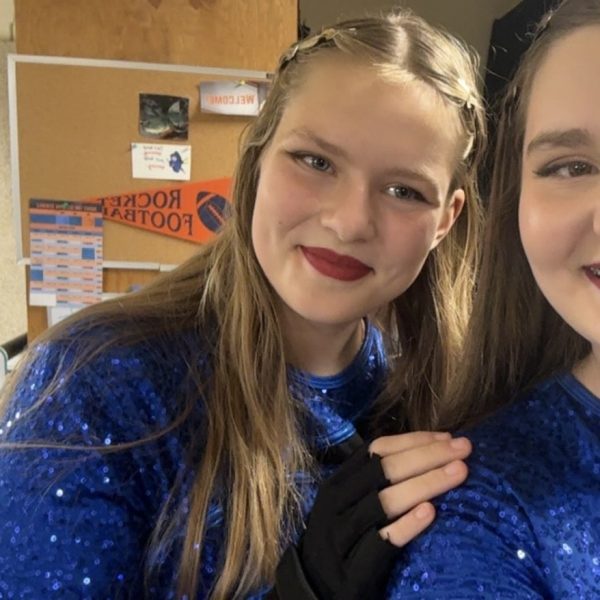
Remy Chapin, Author
Hi! My name is Remy, I am in colorguard and soon scholastic bowl. I love reading, writing, film editing, and playing with my pets. This will be my second year in journalism (I am the true OG of this class). My favorite color is red!
“Sometimes good things fall apart so better things can fall together,” Marilyn Monroe