
Over the past few years, artificial intelligence has transformed the internet in ways that few have predicted. What started as a tool to help automate simple tasks has become a powerful force capable of generating art, writing, music, and even realistic videos. While AI has opened doors to creativity and efficiency, many experts fear it’s also blurring the line between what’s real and what’s artificially generated. The internet, once a place for genuine expression and information, is now saturated with content that may not come from humans at all.
Just scroll through social media, and you’ll likely encounter something made by AI without realizing it. From eerily realistic “news anchors” reporting fake stories to AI-generated influencers who never actually existed, artificial intelligence is rapidly taking over digital spaces. In some cases, AI-generated videos and photos are so convincing that even trained eyes struggle to tell the difference. “It honestly scares me how much AI is gaining knowledge so fast,” Junior Mia Williams says, “I feel as if eventually it could take over the whole internet.”
The rise of AI content is particularly visible on platforms like TikTok, YouTube, and Instagram. Algorithms now promote videos that aren’t filmed by humans but are instead entirely produced by AI tools. Voice generators replicate celebrity voices. AI “deepfakes” can make anyone appear to say or do things they never did. What’s more alarming is that these videos are becoming increasingly believable with every passing month.
According to several online researchers. The sophistication of AI video technology is dancing at an unprecedented rate. In 2022, many deepfakes looked distorted or robotic, but by 2025, they can mimic lighting, facial expressions, and voice inflections nearly perfectly. This creates major concerns about misinformation, online manipulation, and privacy.
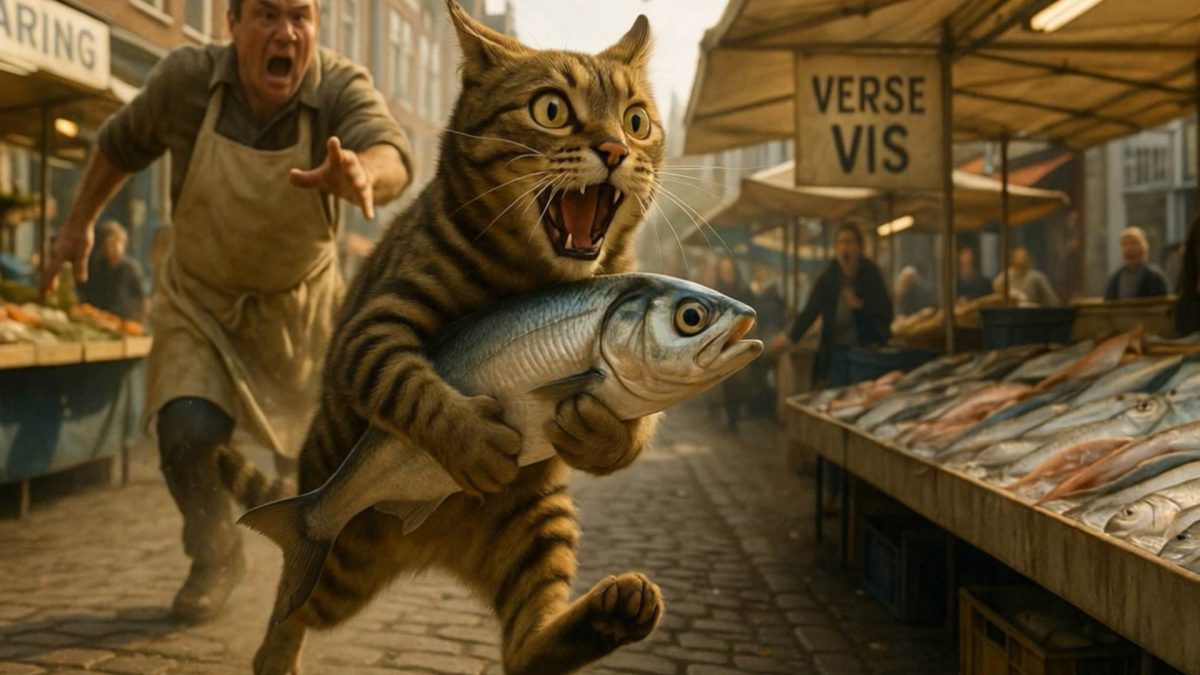
But videos aren’t the only area being affected; AI art is another battleground. Tools like Midjourney, and Stable Diffusion have revolutionized how people create visual art. Anyone can now type a short prompt and receive a detailed, professional-looking image in seconds. Artists and designers have mixed feelings about this. On one hand, it’s exciting that creative tools are becoming more accessible. On the other hand, AI-generated art raises serious ethical and legal questions about copyright, originality, and artistic ownership. “AI art is horrible. It only steals from other artists. As an artist myself, I’m hurt that people who don’t use AI are accused of it,” Sophomore Samatntha Orf said, “because it steals from real, existing artists, real artists are accused, and it’s sa.d”
Many artists argue that AI systems are trained on existing artwork without permission, allowing machines to “learn” from countless copyrighted works. This has led to lawsuits and protests within art communities, as human artists feel that their work is being used to train competitors who don’t credit or compensate them. Some platforms have even started banning AI art, while others now require labels stating that an image was AI-generated.
The same confusion and controversy are spreading to written and spoken content. AI chatbots and writing assistants can now produce essays, news articles, and scripts that sound completely human. This raises the question: if so much of what we read and watch is generated by algorithms, what happens to the value of human creativity and truth? Another troubling aspect is that AI can easily be used for misinformation. Fake political statements, fabricated images, and staged “witness videos” can now be created in minutes. As AI becomes better at mimicking human behavior, it’s increasingly difficult to trust anything seen online. Even fact-checkers and journalists are struggling to keep up with the flood of deceptive material.
The result is an internet that feels less authentic and more uncertain. Users are left wondering: Is this image real? Did that person actually say that? Is this account run by a human or an algorithm? As AI advances, we increasingly lose our ability to distinguish truth from illusion.